Wood for the Trees

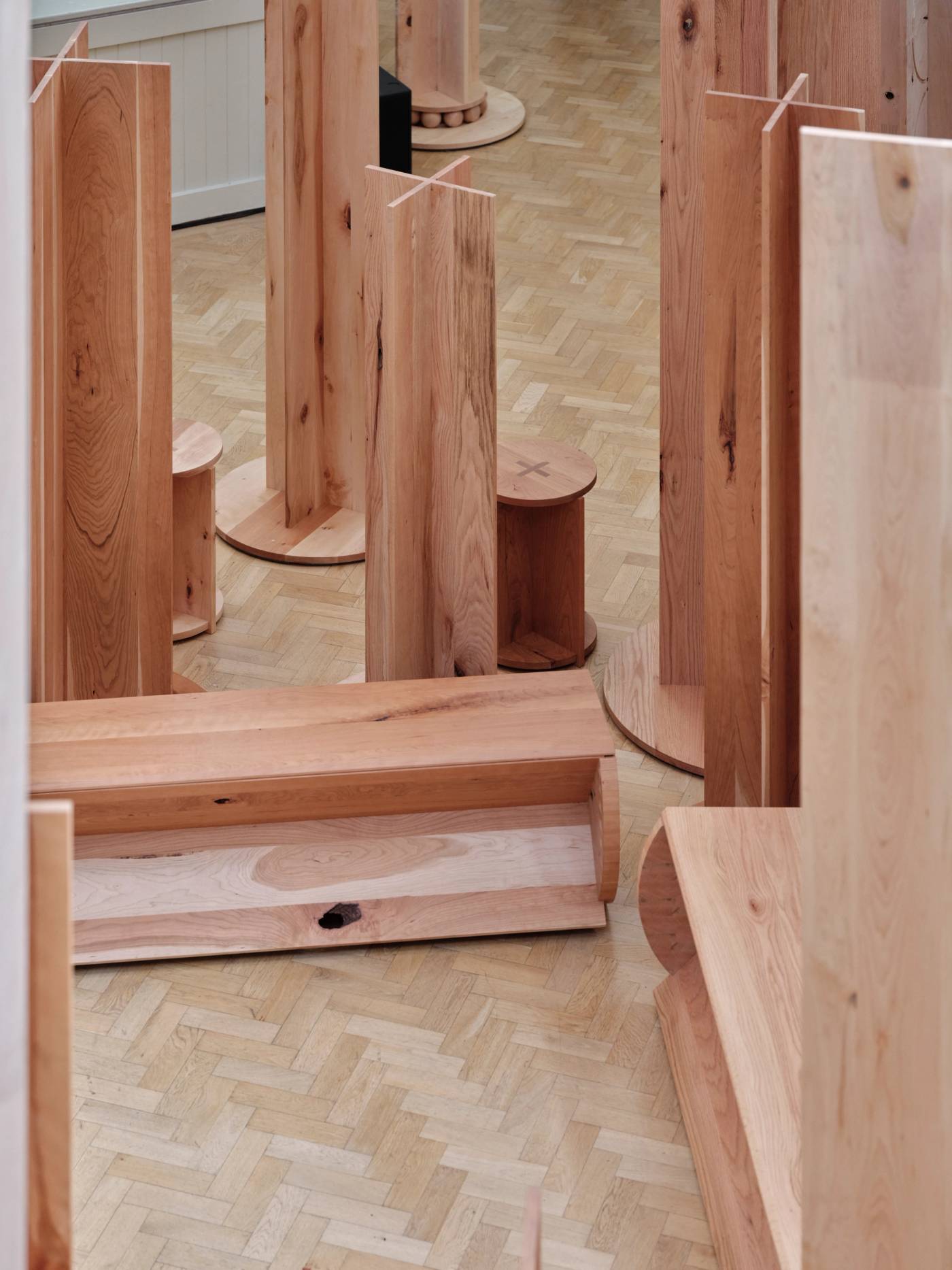
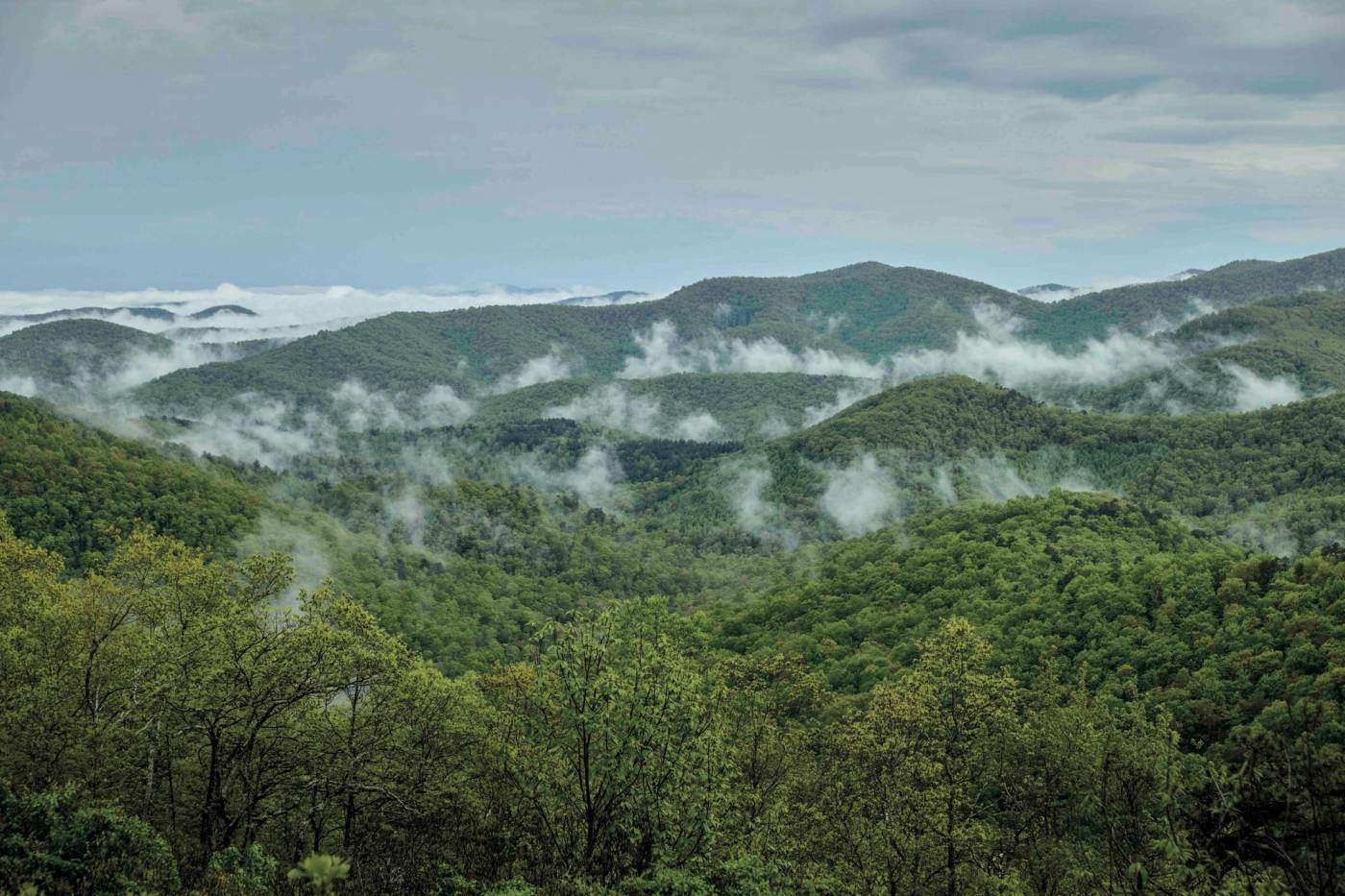
A century ago, the hardwood forests of the eastern United States were little more than ‘stumps and ashes’, but in the last 100 years, they have recovered, now spanning more than 40 million acres and growing at twice the rate they are harvested.
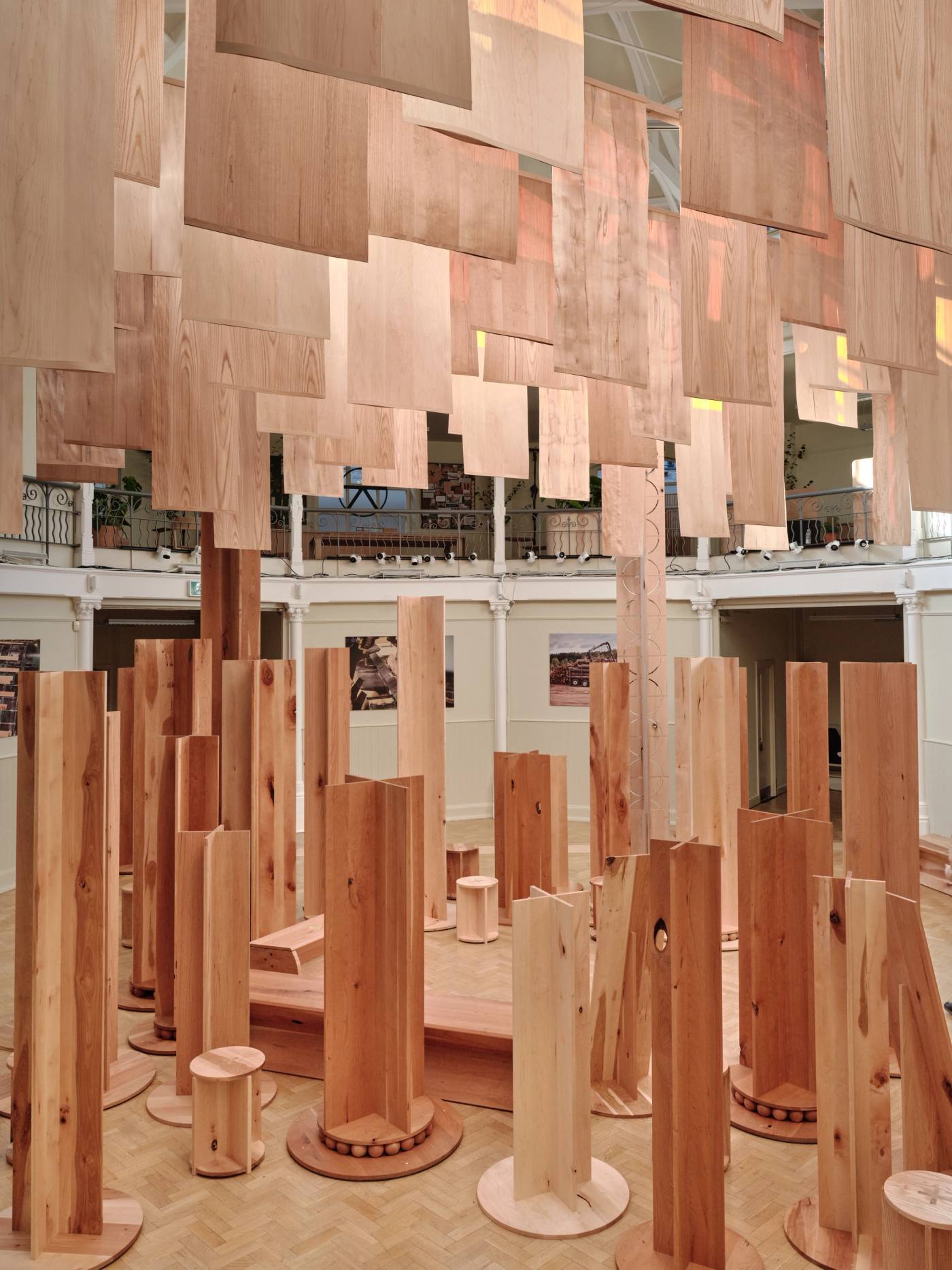
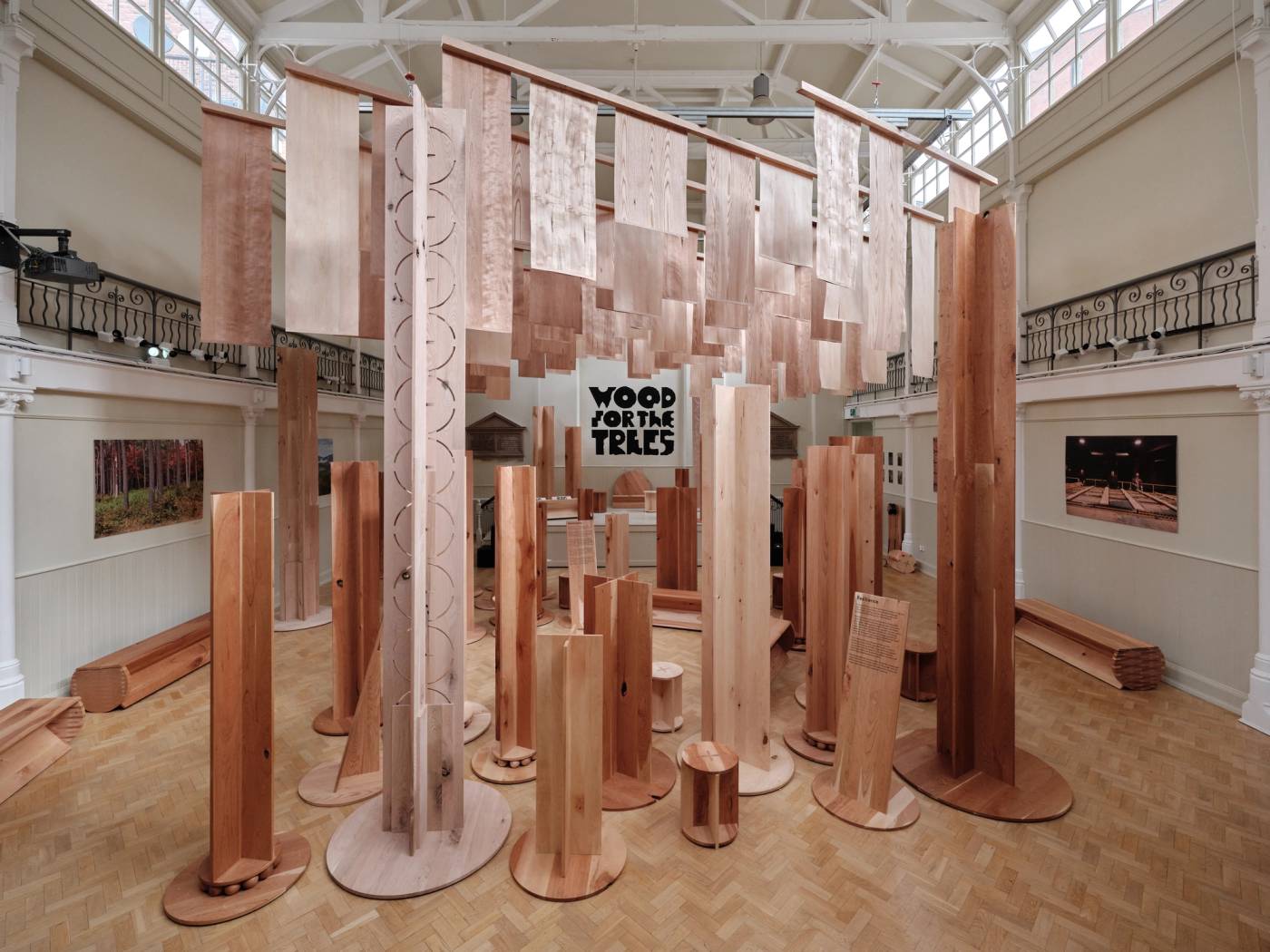
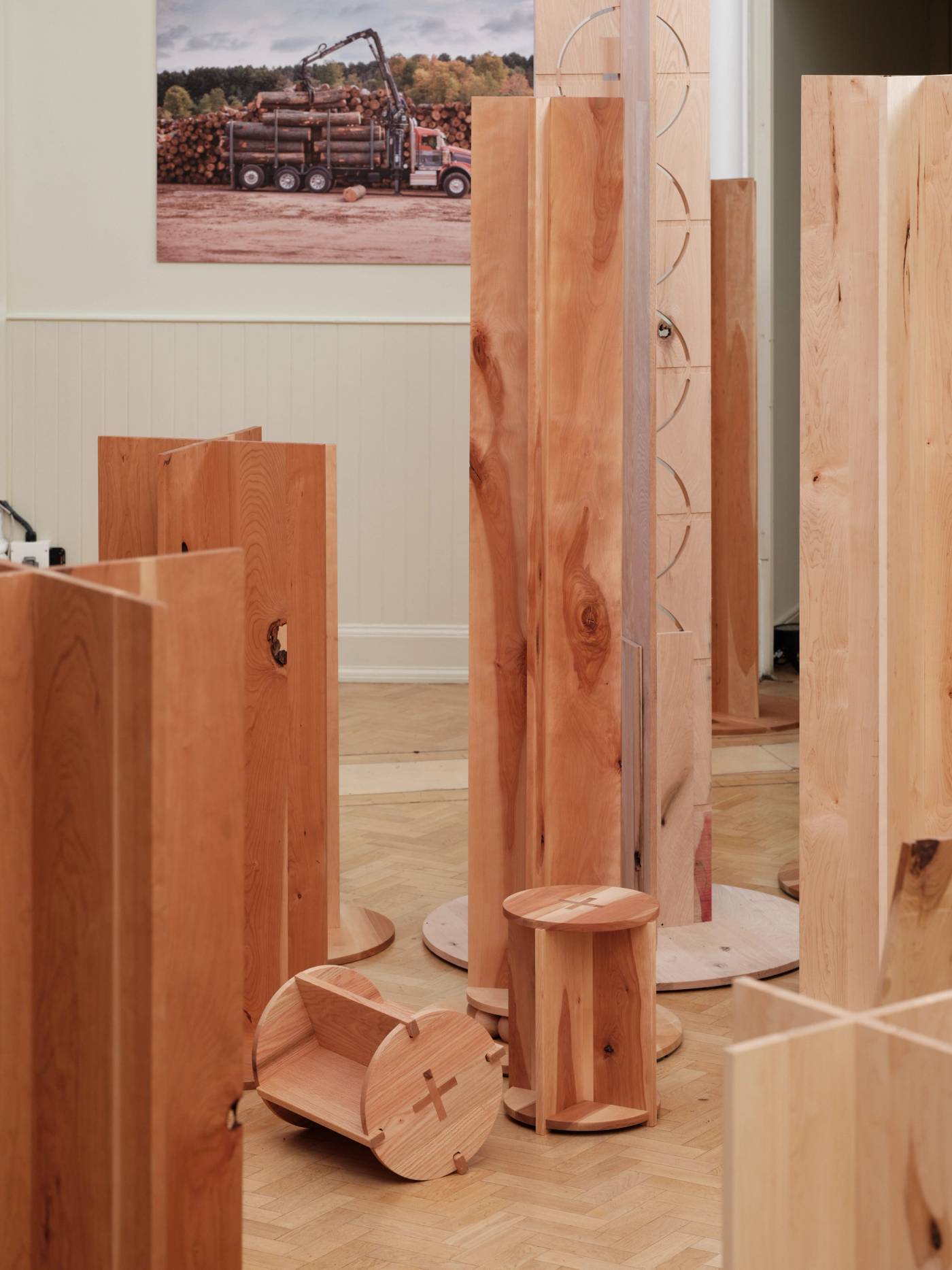
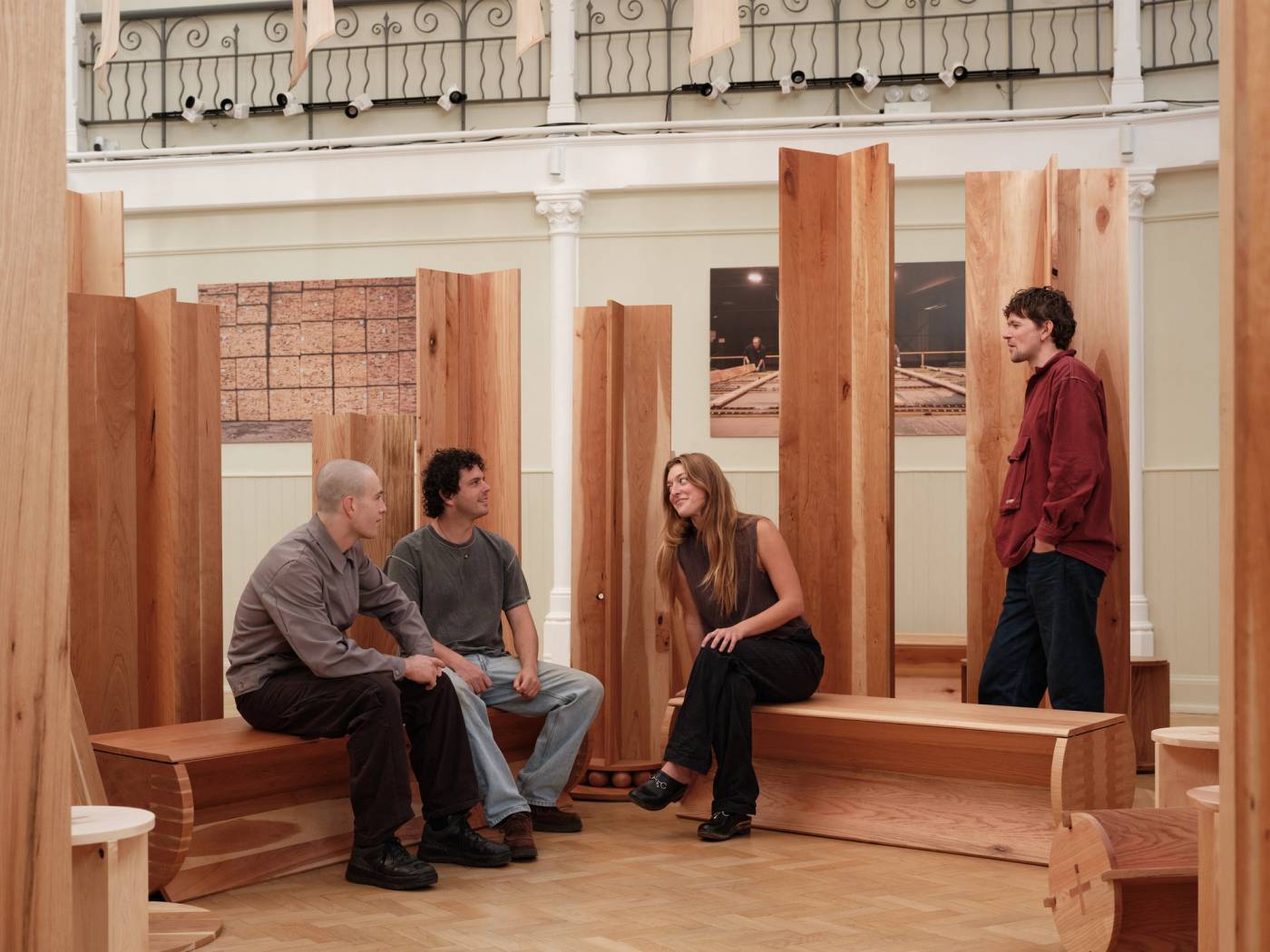
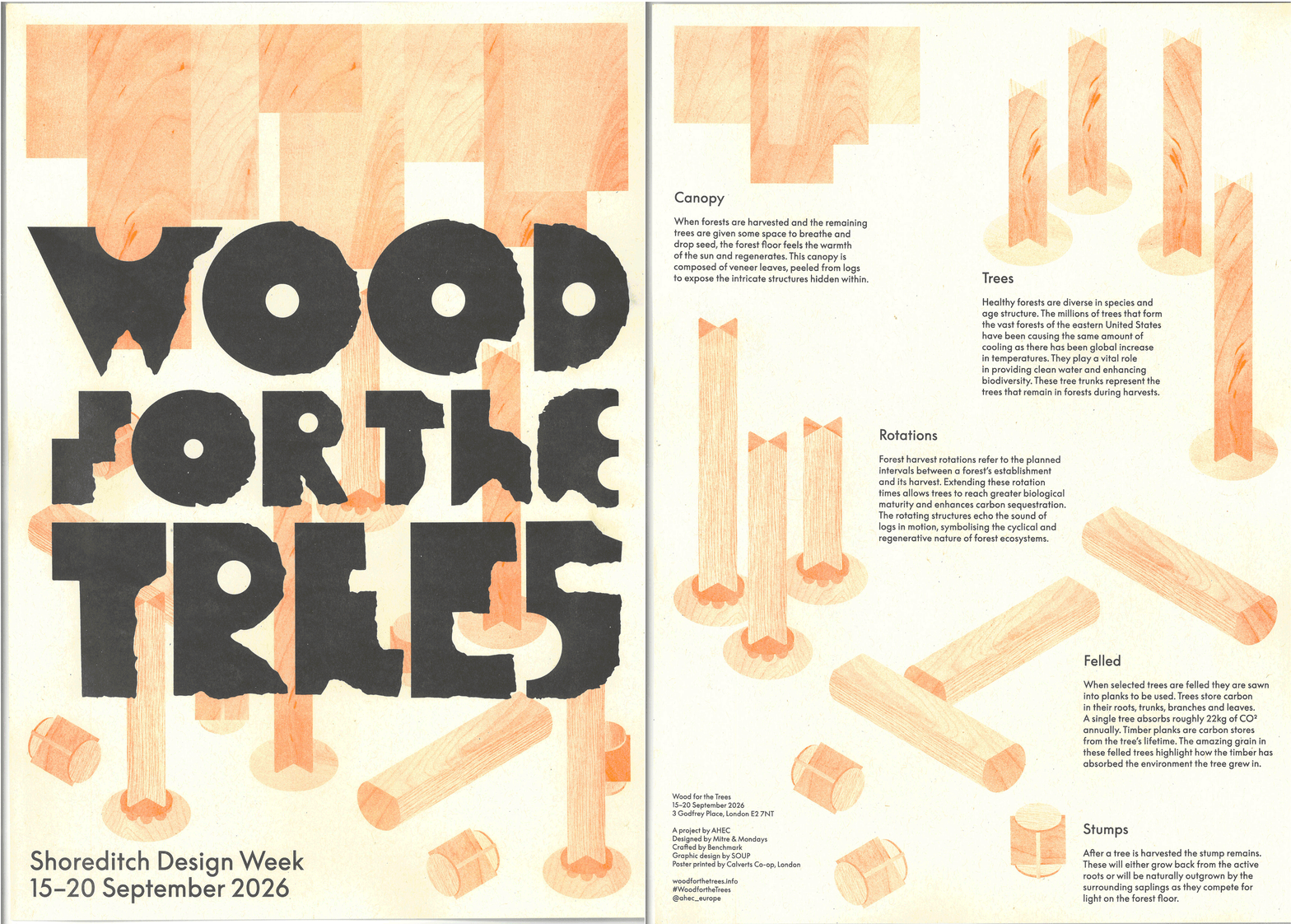
Visitors to Wood for the Trees are immersed in an abstract arboreal setting, examining every phase in the journey of hardwood timber from tree to finished product, through six key stages that unfold into the world of responsible forest management, and making the case for the long-term stewardship of nature.
In the context of an increasingly uncertain environmental future, the exhibition explores how growth, planning and resilience underpin the long-term health of North America’s hardwood forests, and the influence that material selection and timber use have on sustaining them.
Wood for the Trees was accompanied by a programme of supporting events including workshops, live demonstrations and talks, offering opportunities to explore the exhibition's themes in greater depth.
- Client
- American Hardwood Export Council
- Collaborators
- Benchmark, SOUP
- Location
- London, Copenhagen
- Photographer
- Thomas Adank, Petr Krejci’
- Category
- Cultural
- System
- Assembly and Disassembly
- Year
- 2026
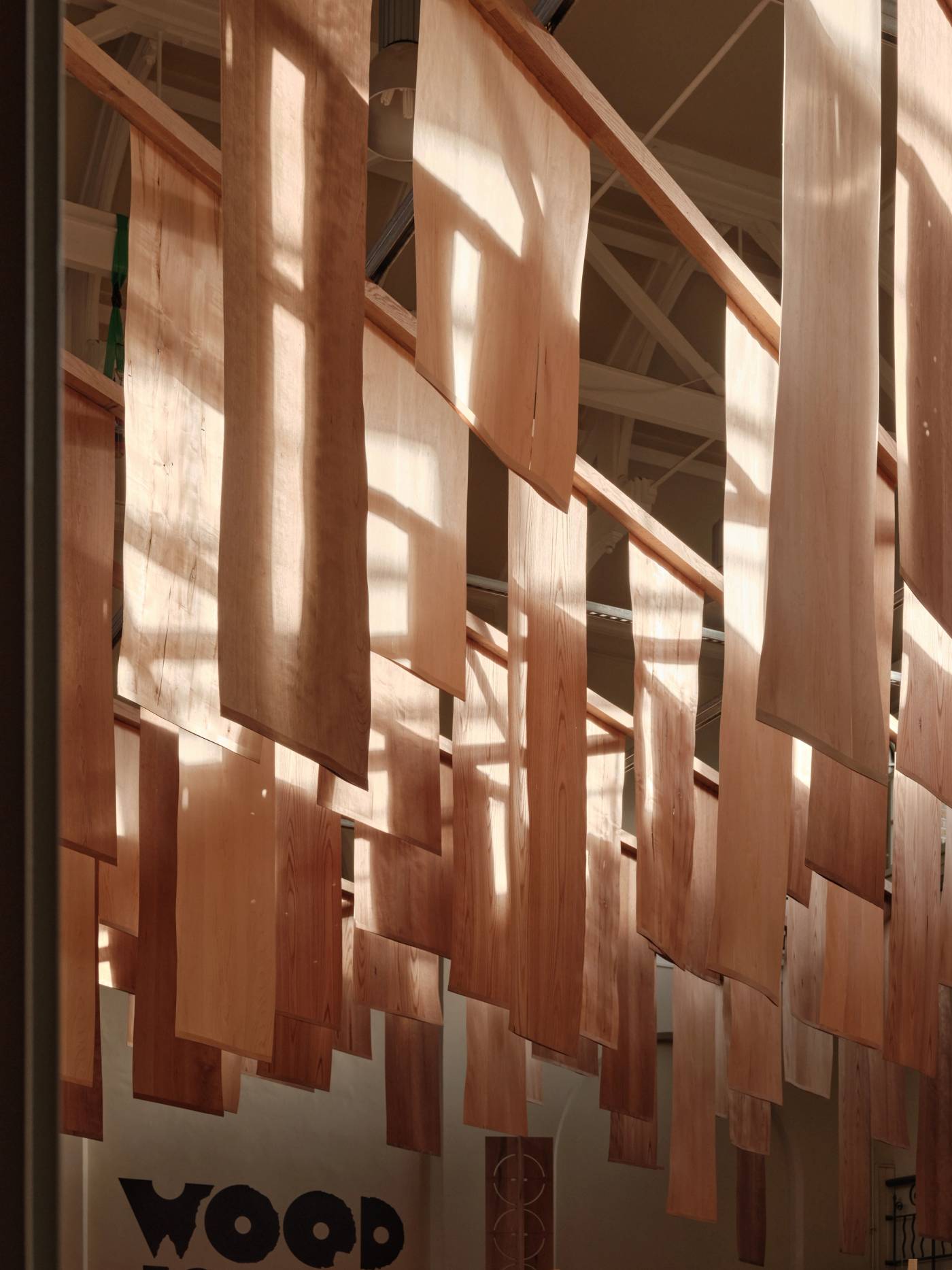
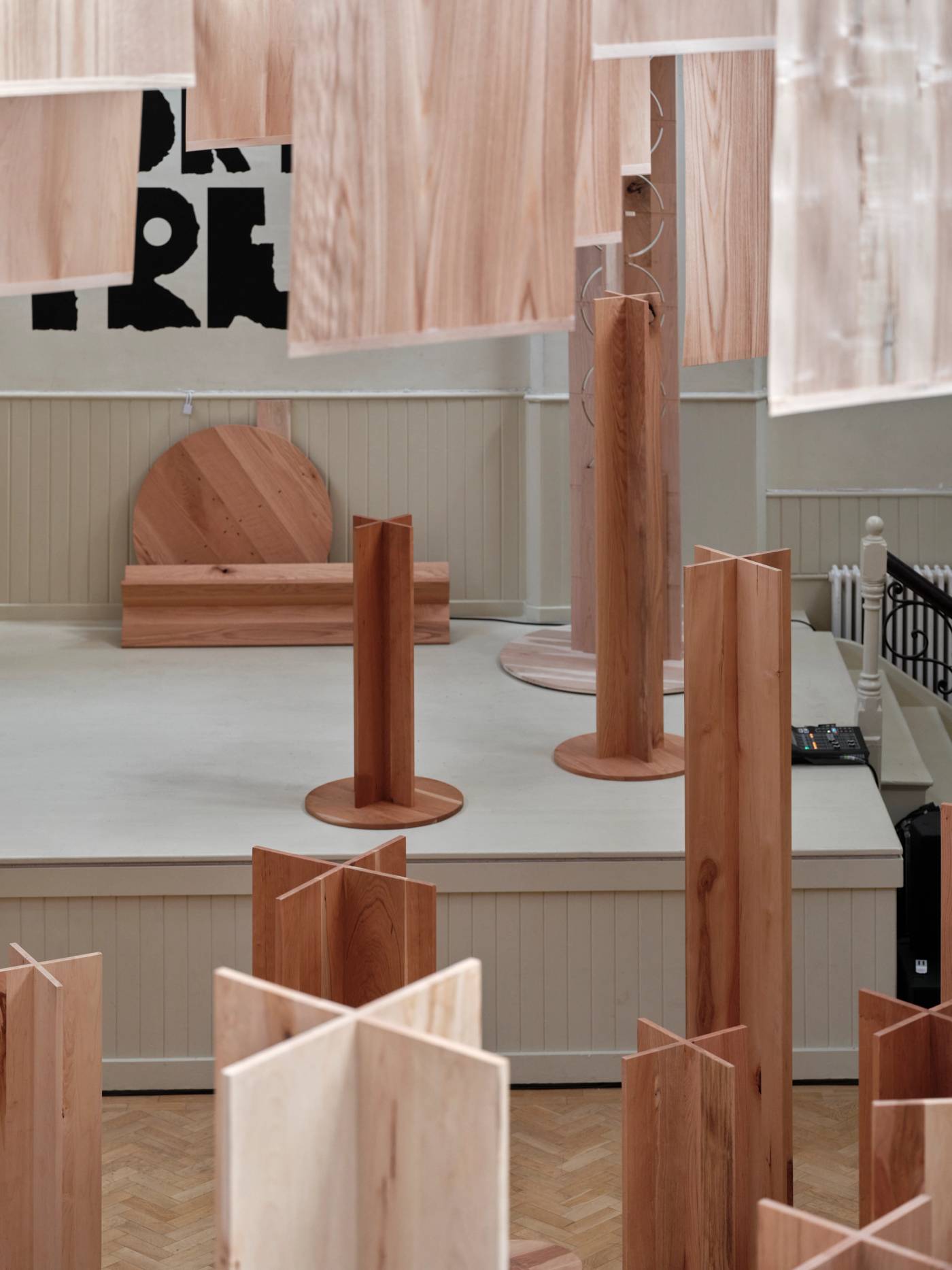


Growth
looks at how trees – among the largest and longest-living organisms on earth – reproduce, regenerate and even clone themselves, allowing them to persist across generations, adapting to change over time.
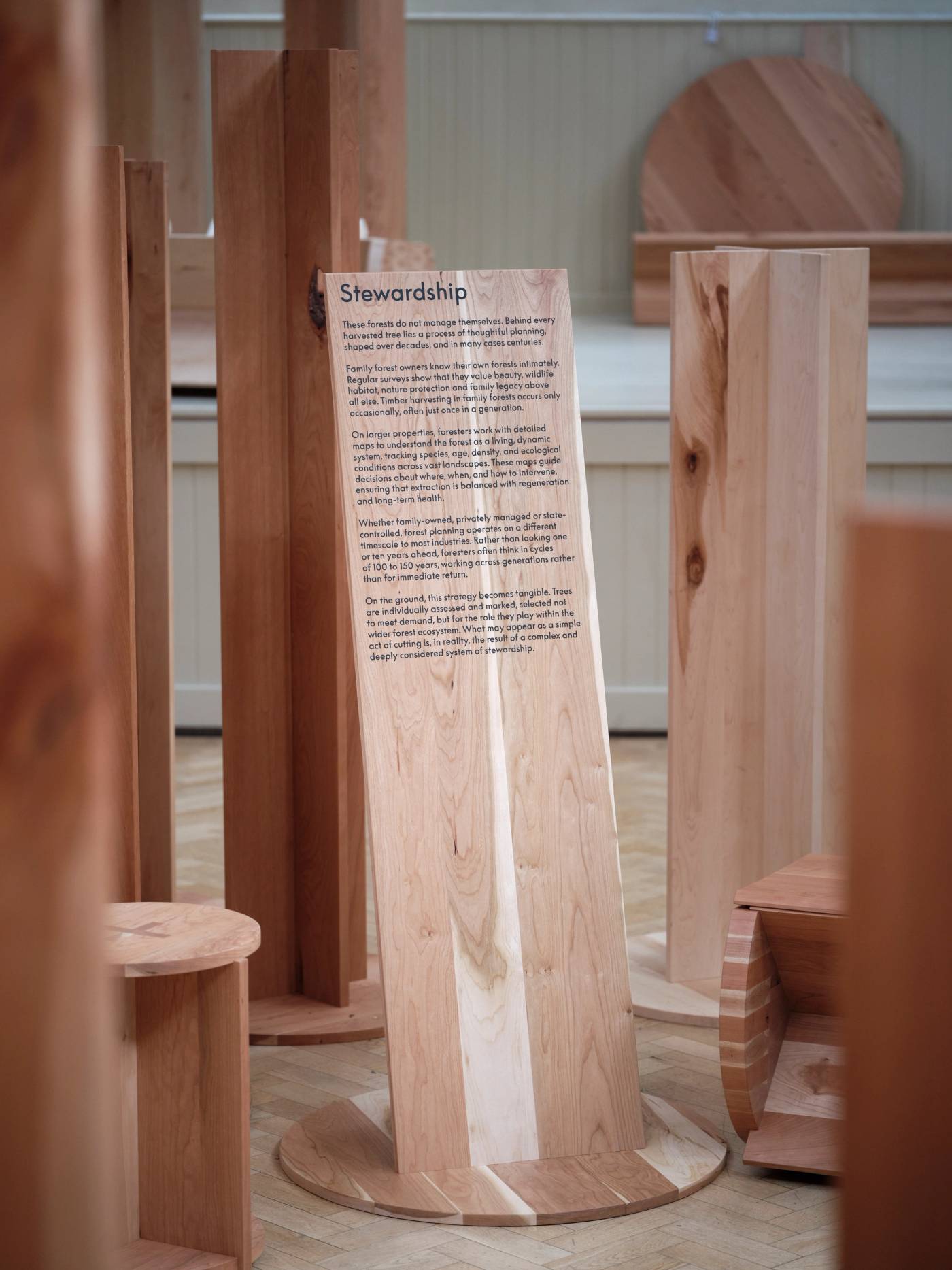
Stewardship
explores both the day-to-day realities and century-spanning timescales of forest management, examining the life cycles of trees and the systems and strategies employed to sustain them.

Selection
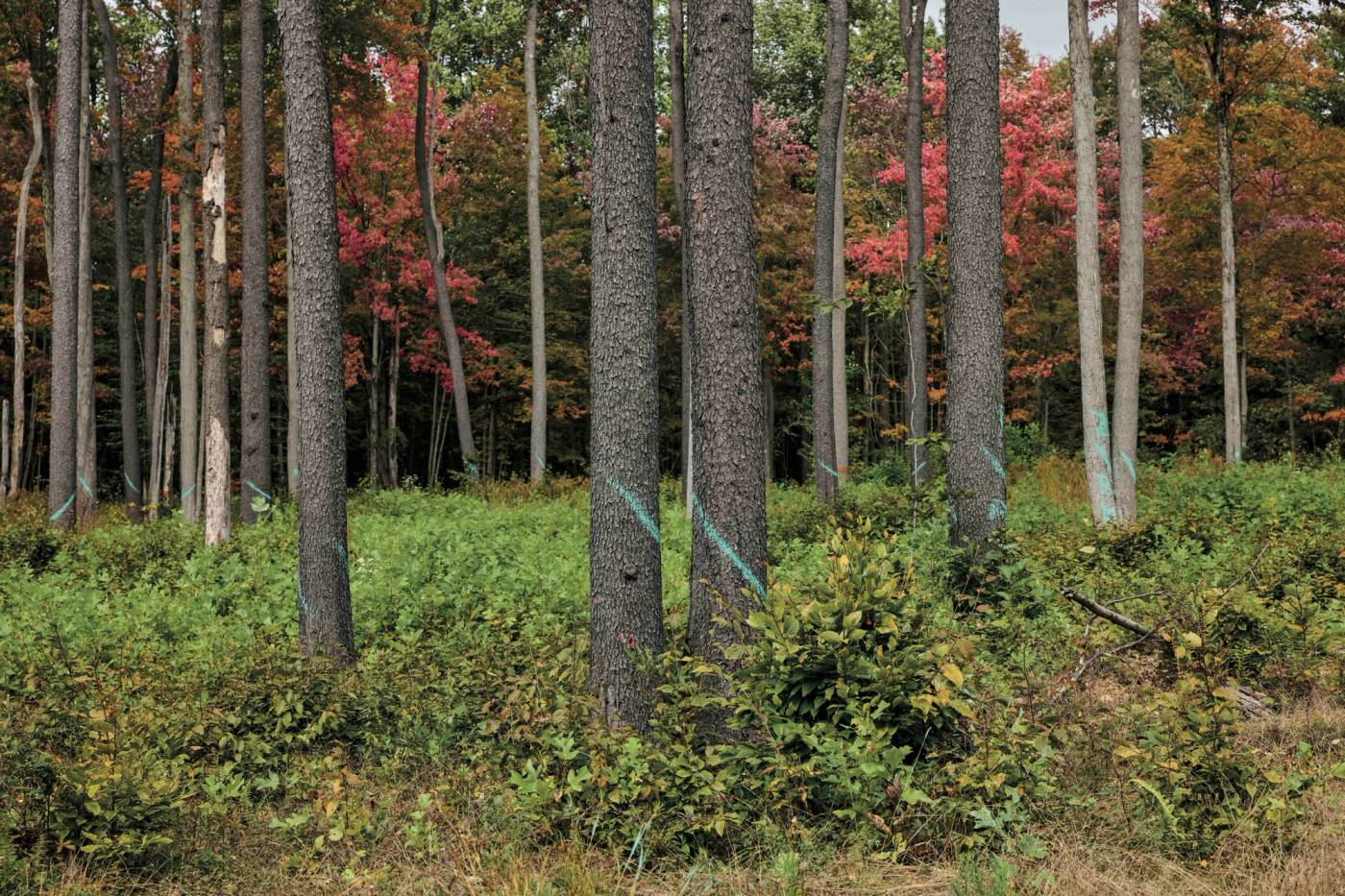
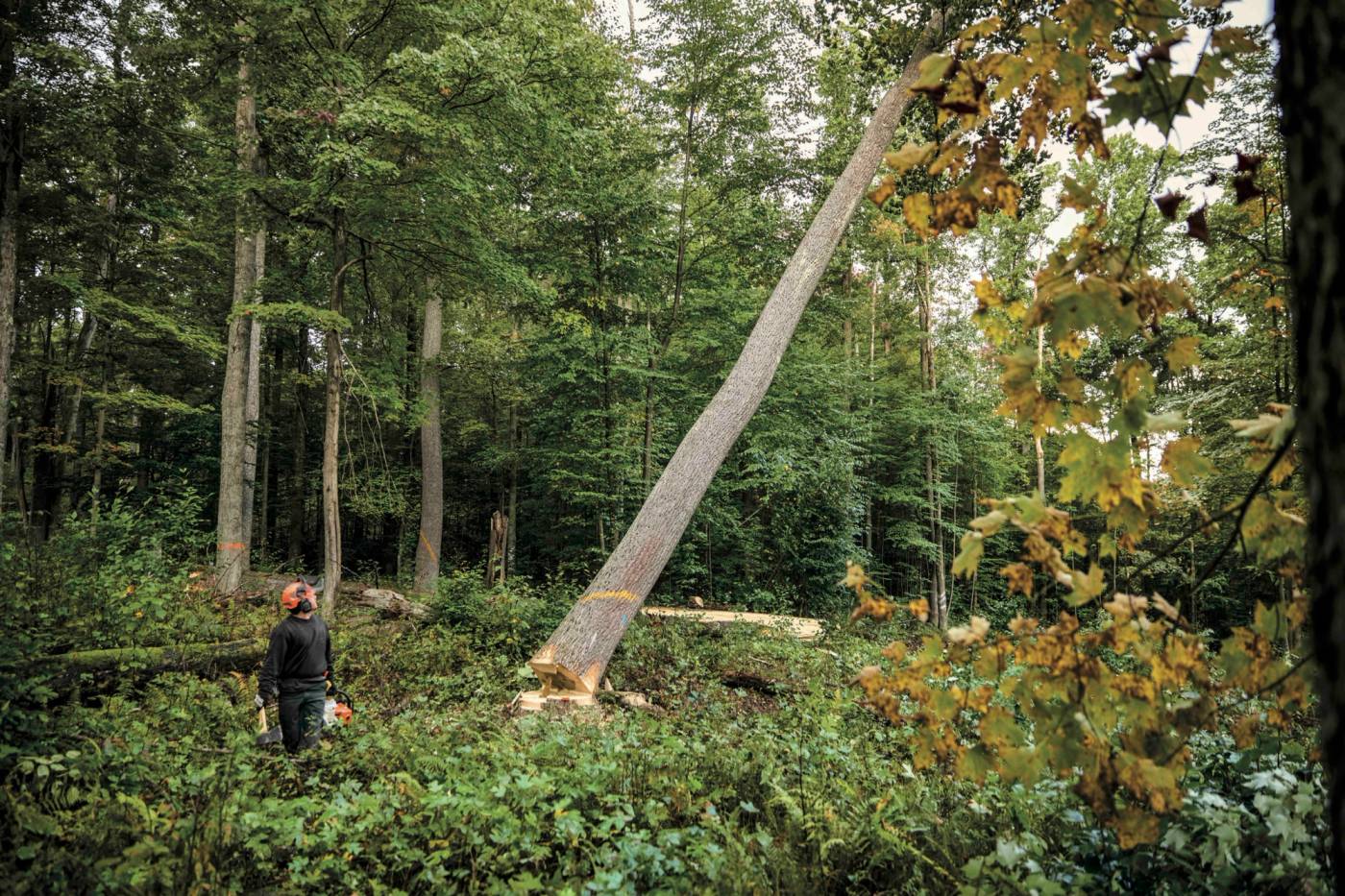
unpacks the meticulous process of identifying trees for harvest and for preservation, and the factors that influence it – including age, health, longevity, and the tree’s contribution to the vitality of the wider forest ecosystem.

Resilience
considers the ability of a forest to withstand change – adapting to shifts in climate, resisting pests and disease, and recovering from disturbance – the role foresters play in strengthening that ability, and the impact that our material choices can have in shaping it.
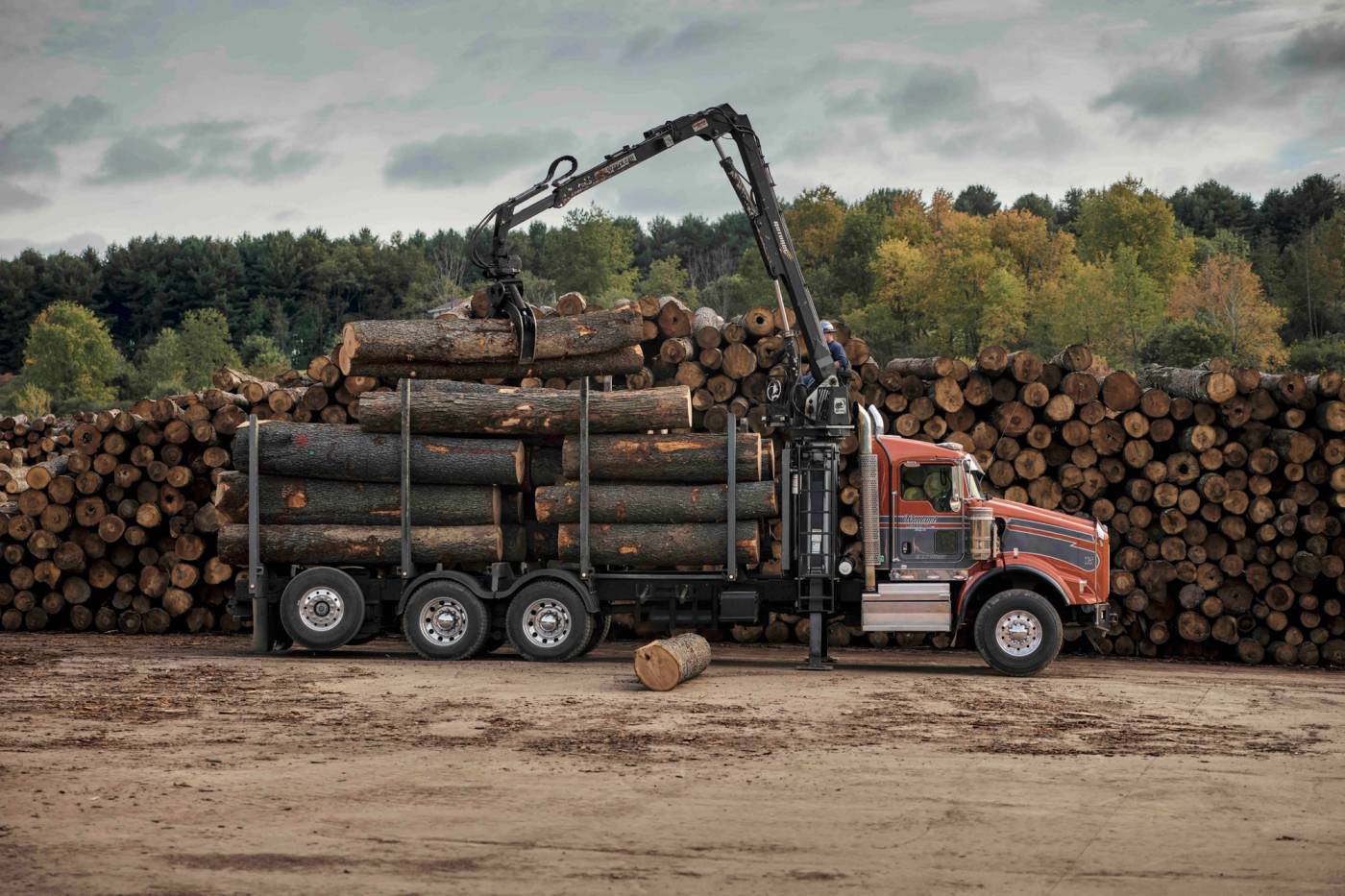

Timber
looks at the point where the forest meets the human world, and reveals the history carried in the grain of every piece of wood.
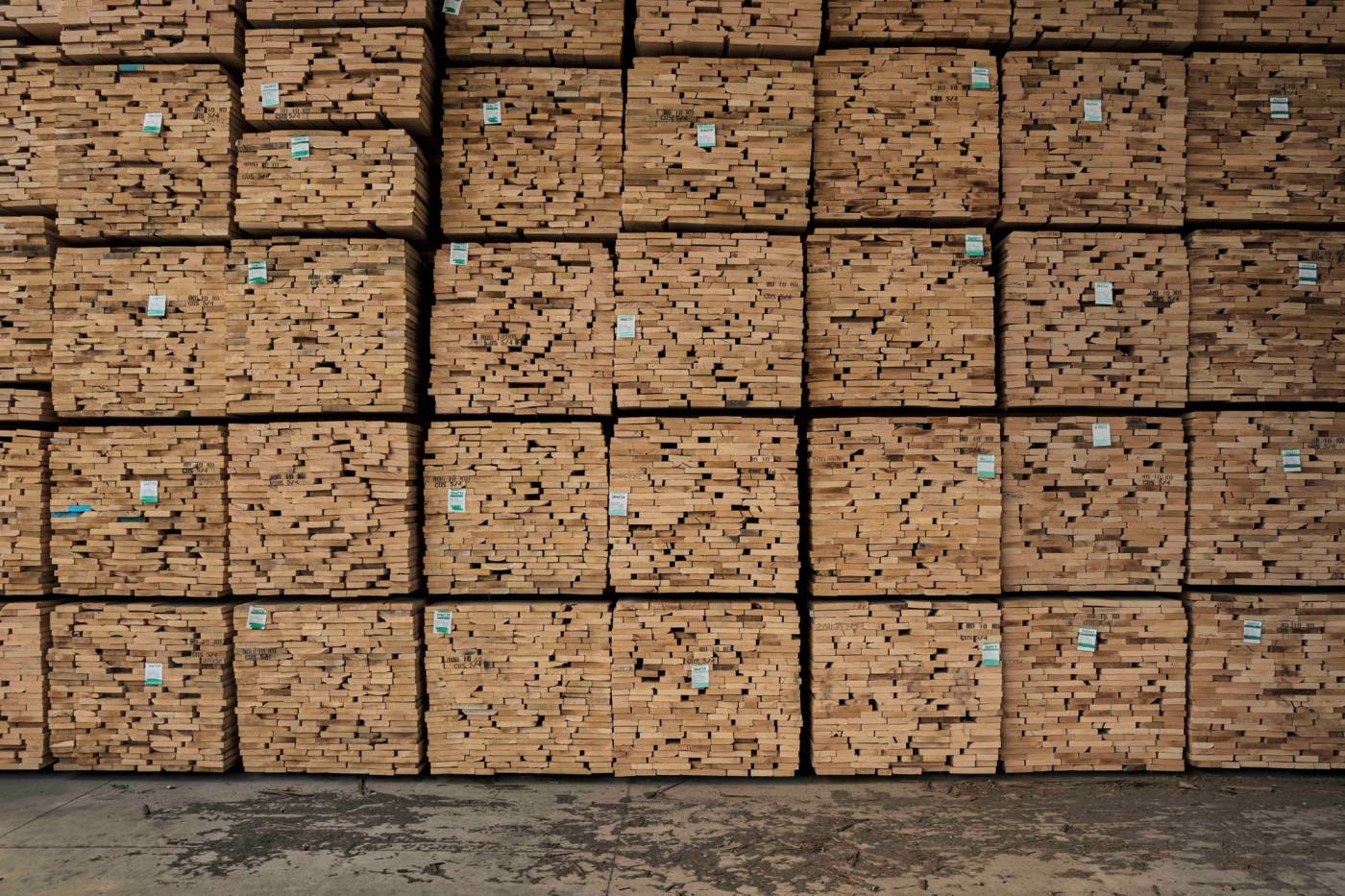

Design
suggests how we can learn to use what the forest provides, adjusting our habits and to align with the properties and availability of this extraordinary natural resource.
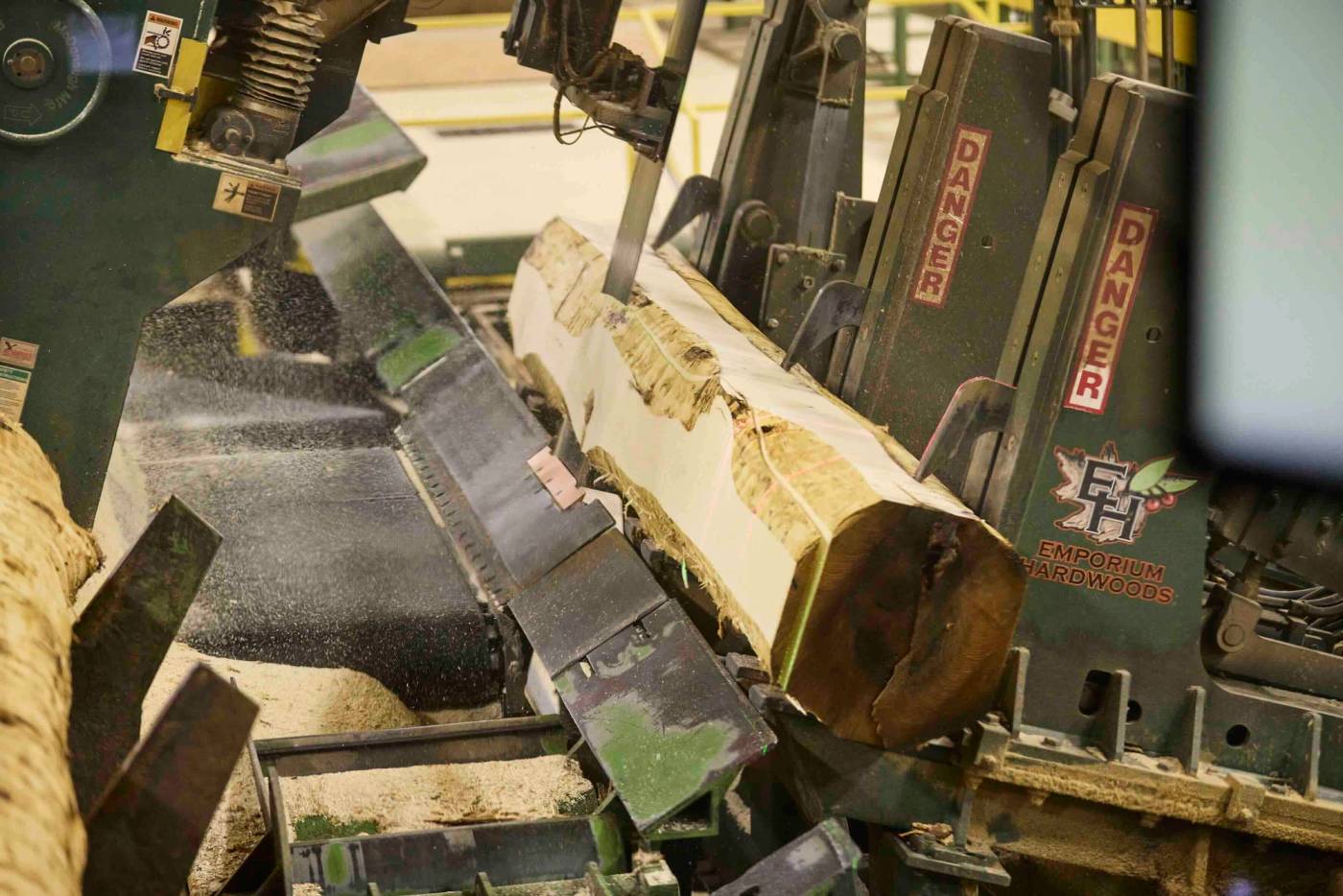

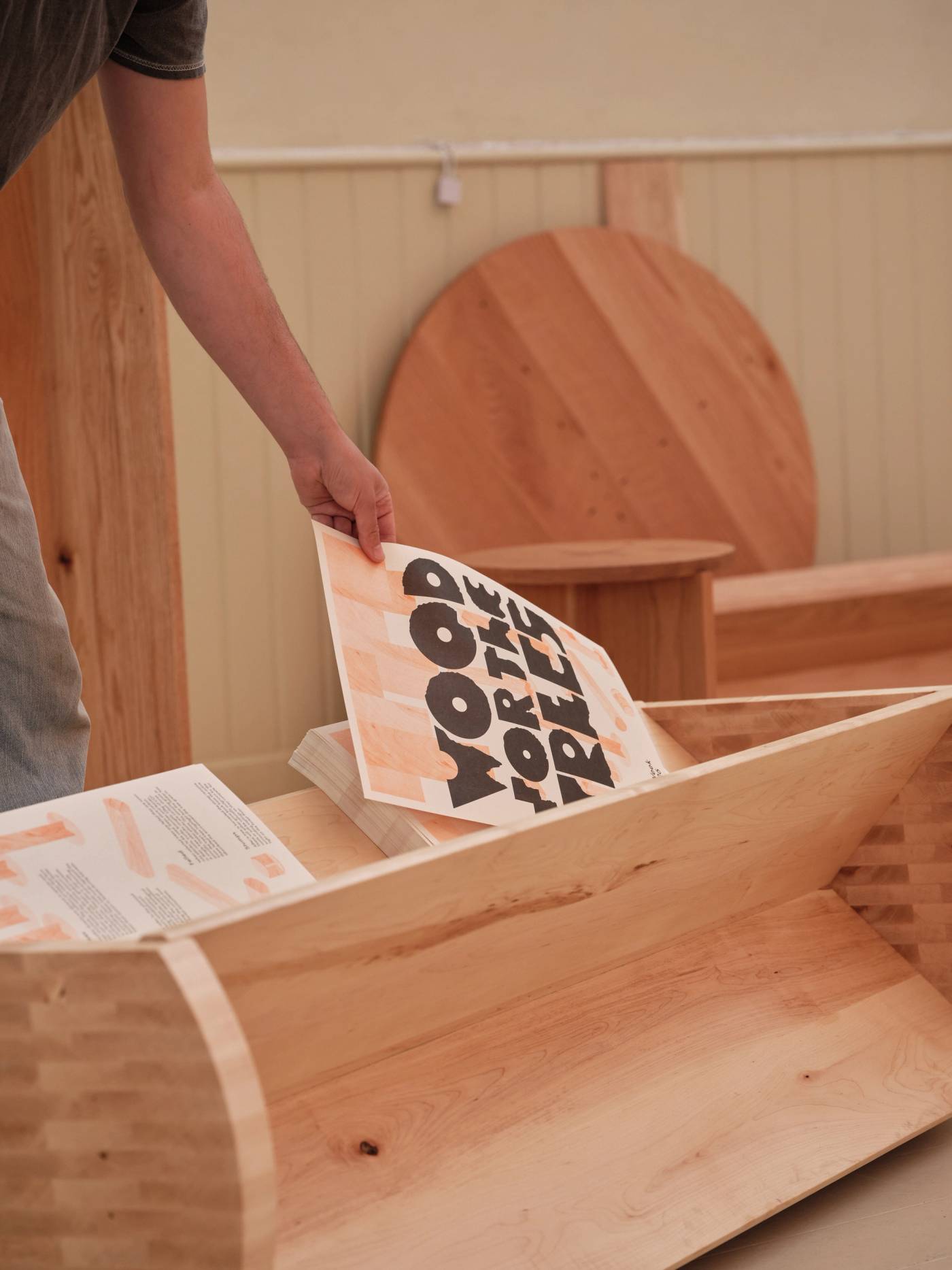
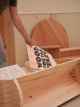
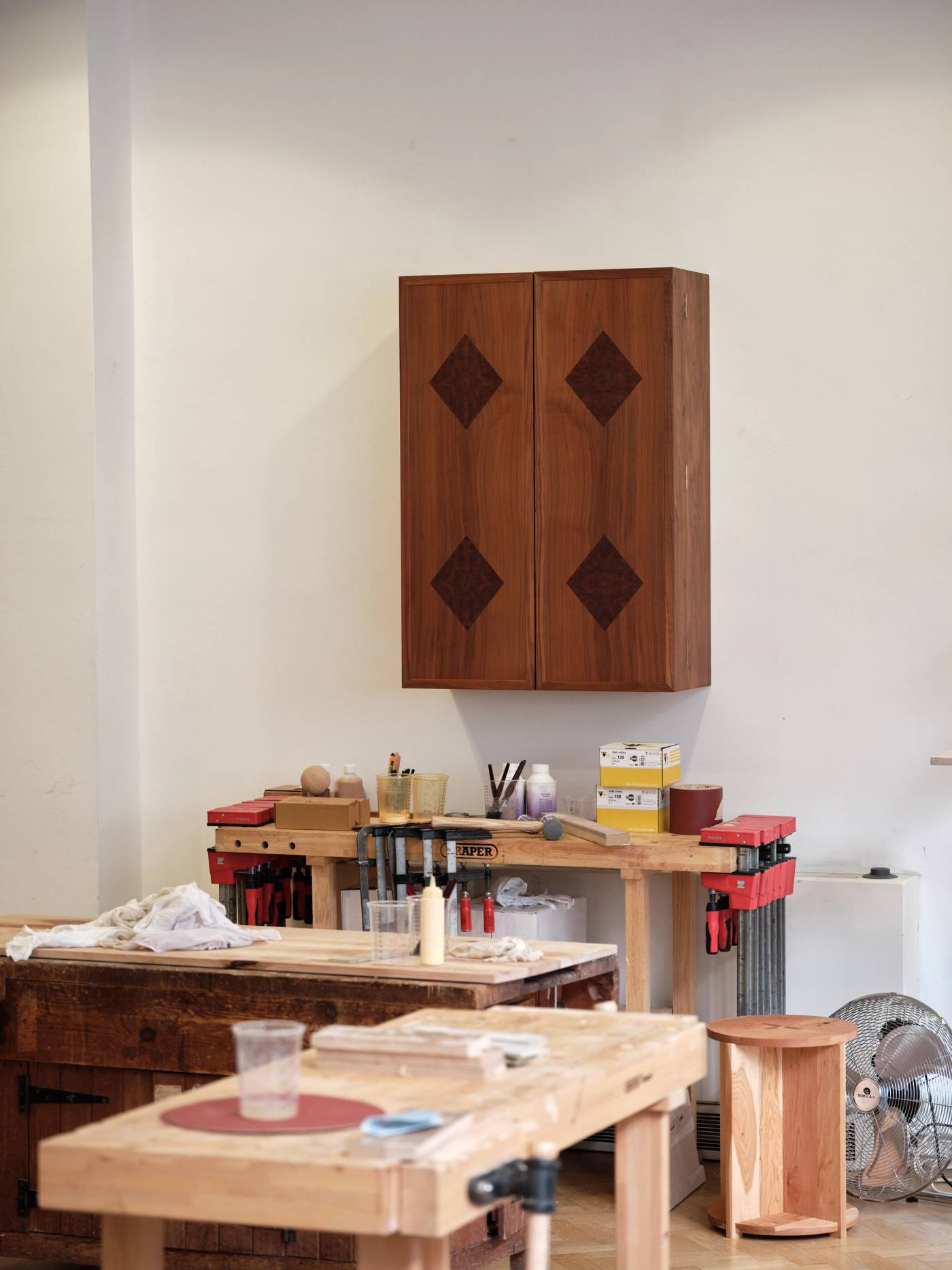
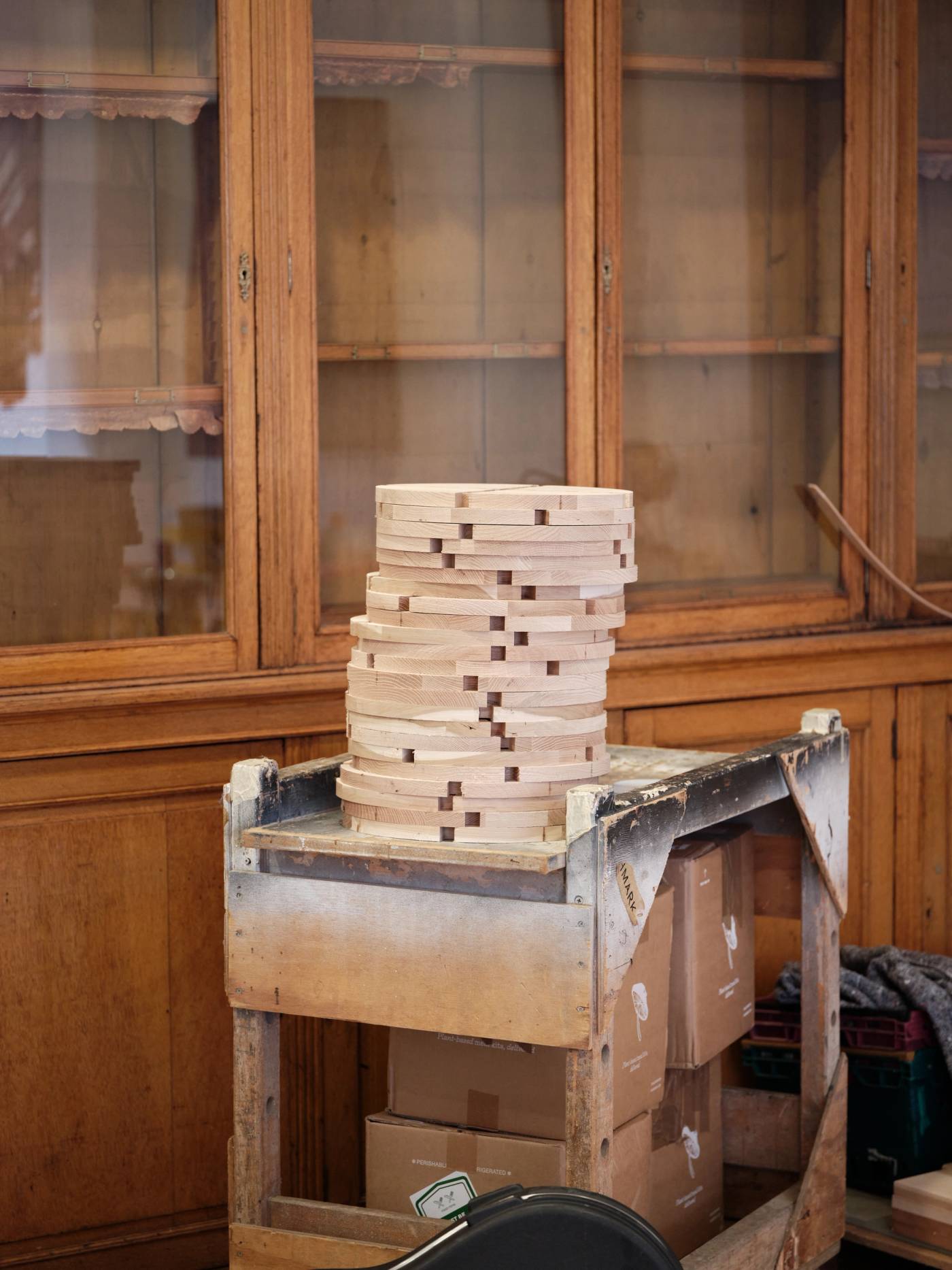
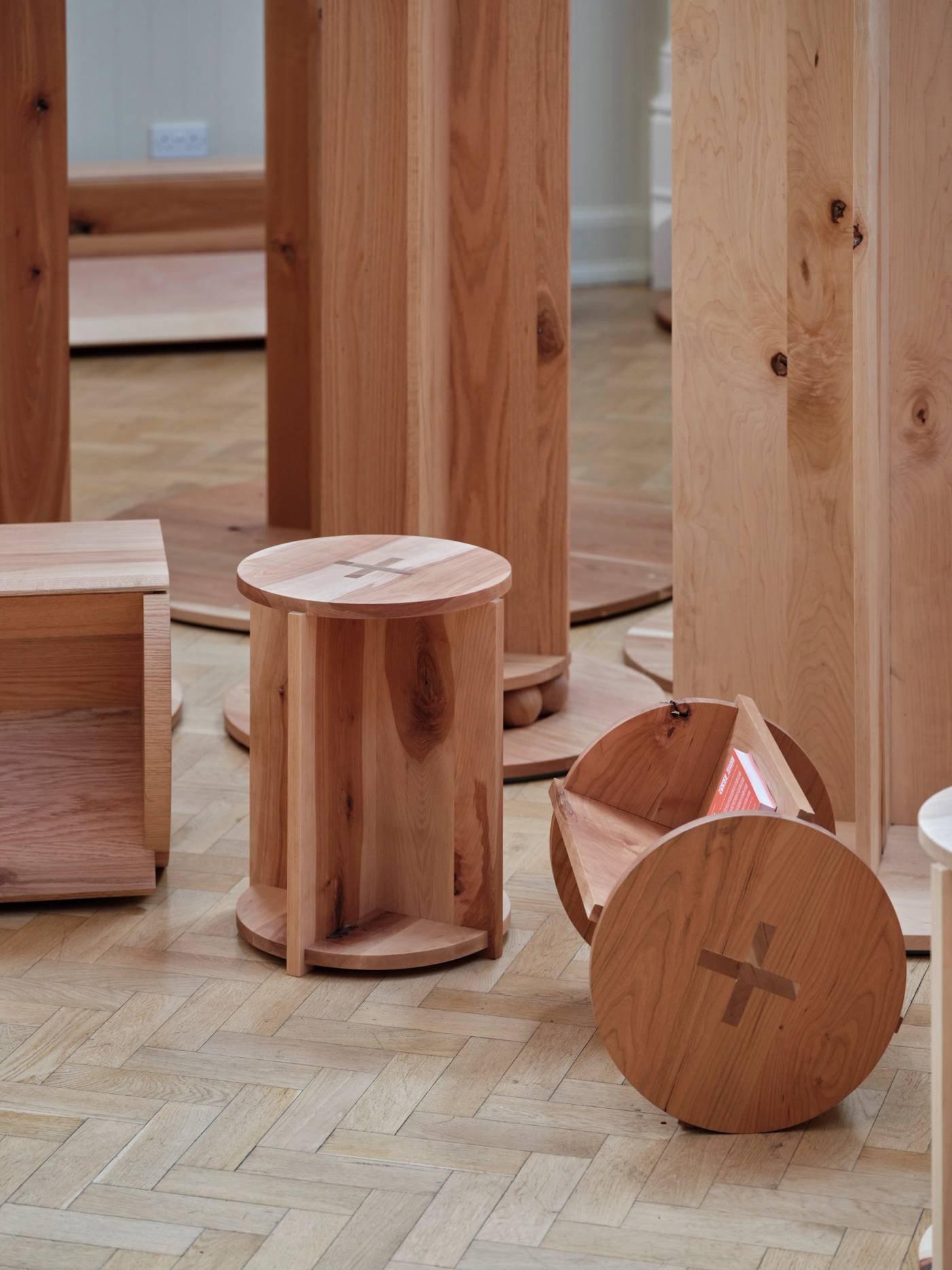
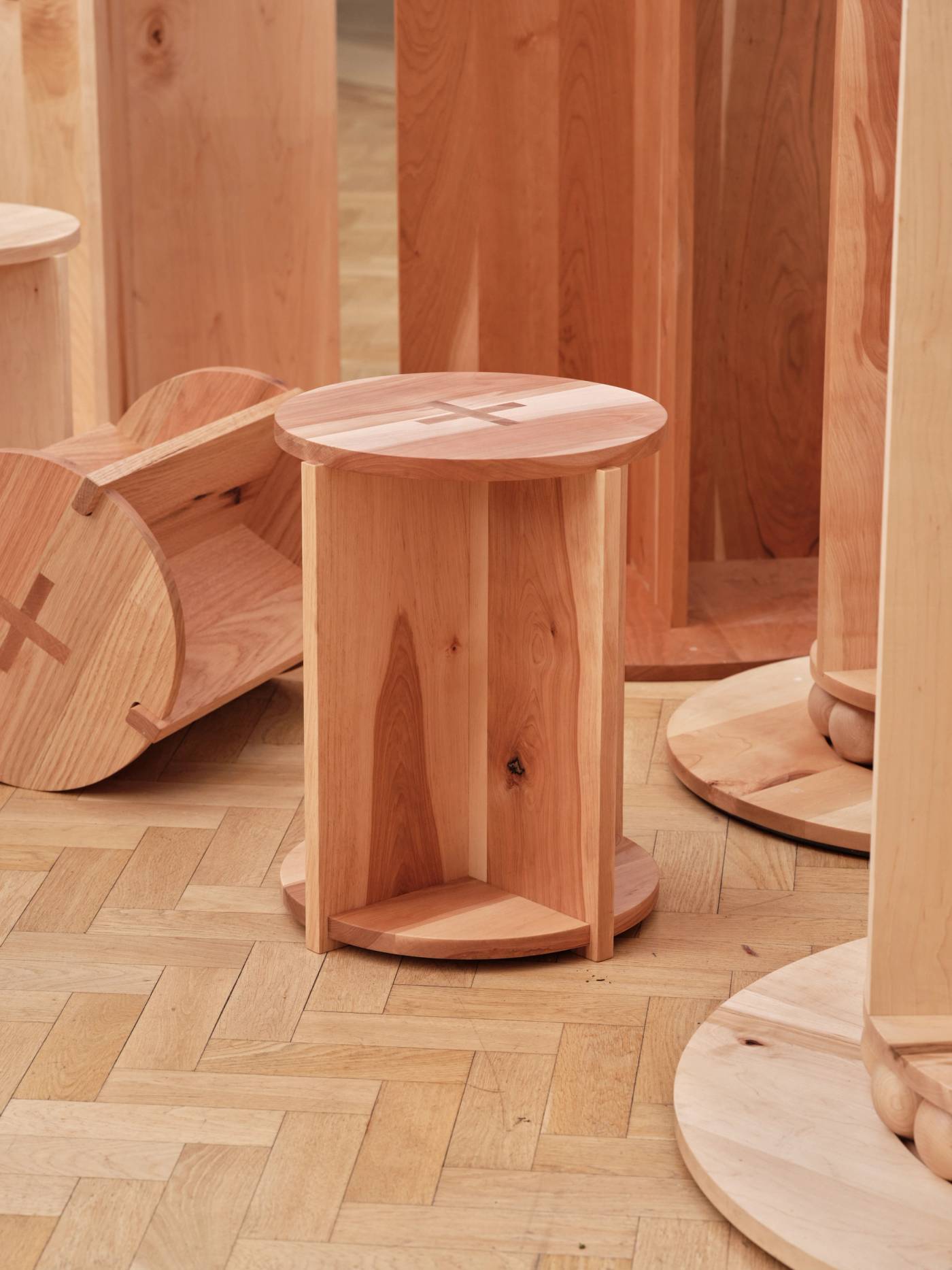
We invited local schools, charity groups and industry professionals to take part in stool-workshops. In these we ‘felled’ a tree from the exhibition, carried it through to the neighbouring workshop space together, and taught participants all the steps to make a stool from Number 1 Common Timber.
Participants walked away with a stool to take home - from forest to furniture.